A game, and it is a real one
Three lanes.
Three ways to be stopped.
Go around it, over it, or under it. Nothing here is unavoidable, and that is a promise the generator keeps rather than a thing I hope is true.
Demo running
Arrows, or swipe
Low barrier
Jump it
↑WSpace
Overhead gantry
Slide under
↓S
One lane blocked
Go around
←→AD
- Escape pauses. Escape again carries on.
- On a phone, swipe the way you want to go.
The score is distance. Your personal best is kept in this browser and nowhere else; the board below is the shared one, and it holds ten.
canvas 2d · no engine · no assets
The board
Ten places.
Distance, all time, everyone who has played. Beat whatever is in tenth and you take a line on it.
- 1945Tanvir
- 2764nabila_r
- 3739Arif
- 4660Sadia
- 5538rakib99
- 6459Mehedi H
- 7395Farhan
- 8350Nusrat
- 9341imran.k
- 10257Jess
Winner stays on
The games that got here first
Everything I think a game is supposed to feel like, I picked up from these long before I had any idea that was what was happening. Nothing here is ranked, except the one at the top, which is not up for discussion.
11 titles · 1991 — 2010
The ones with a coin slot
Built to take your money in three minutes and mostly succeeding. Every one of these was a machine before it was a file.
Mustafa
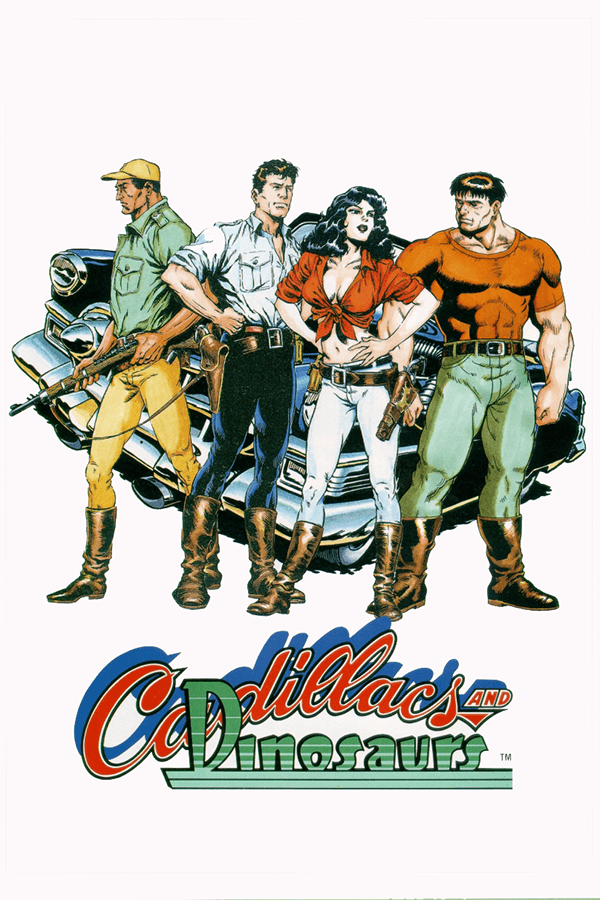
Cadillacs and Dinosaurs
Capcom · 1993
Played with cousins, taking turns under a rule nobody had to write down: you die, you get replaced. It made dying expensive.
A brawl with dinosaurs in it, and the only game on this page that an entire country renamed after one of its characters. Try saying Cadillacs and Dinosaurs to anyone who grew up here and watch nothing at all happen.

The King of Fighters
SNK · 1998
Three lives to spend and cousins waiting, which is a different game from three lives and nobody watching.
Three fighters, one at a time, and half the game is deciding who to spend first.

Mortal Kombat
Midway · 1992
Same cousins, same rule. I picked Scorpion, then Raiden, and stopped getting replaced.
The one the adults had heard about, for reasons the adults were right about.

The House of the Dead
Sega · 1996
Nobody wanted to go second. Going second meant watching where the first one died and still walking into it.
A light gun, a corridor, and a plot delivered entirely by people who are about to die.
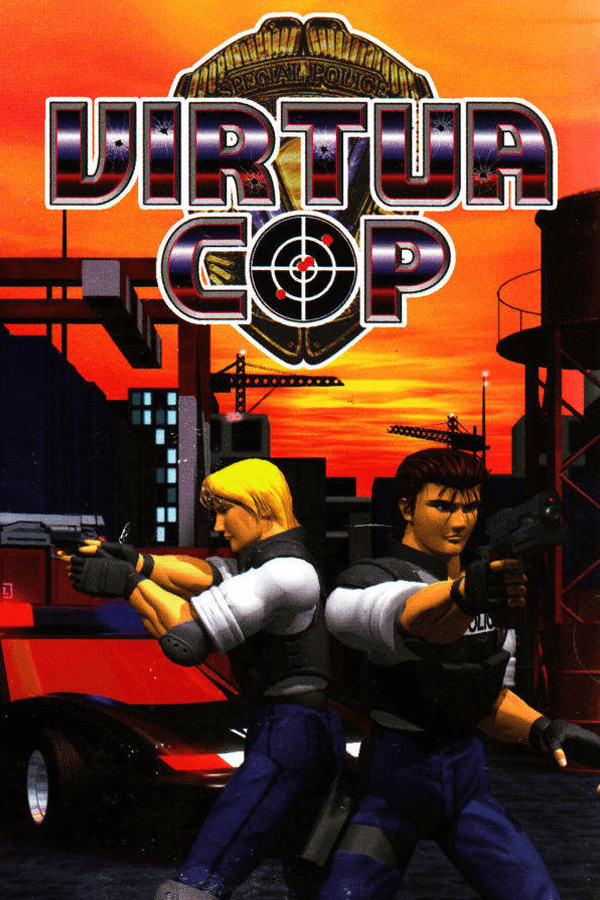
Virtua Cop
Sega · 1994
The polite one. We played it when the queue was long and nobody wanted to lose their turn quickly.
First, and the same idea with fewer zombies and considerably better manners.
The ones that came home
Longer, slower, and played sitting down. This is the half that stopped being about the next three minutes.

Road Rash
Electronic Arts · 1991
The chain was the point. Winning by riding well felt like missing something the game was offering.
A racing game that handed you a chain. Every other racing game immediately looked like an oversight.
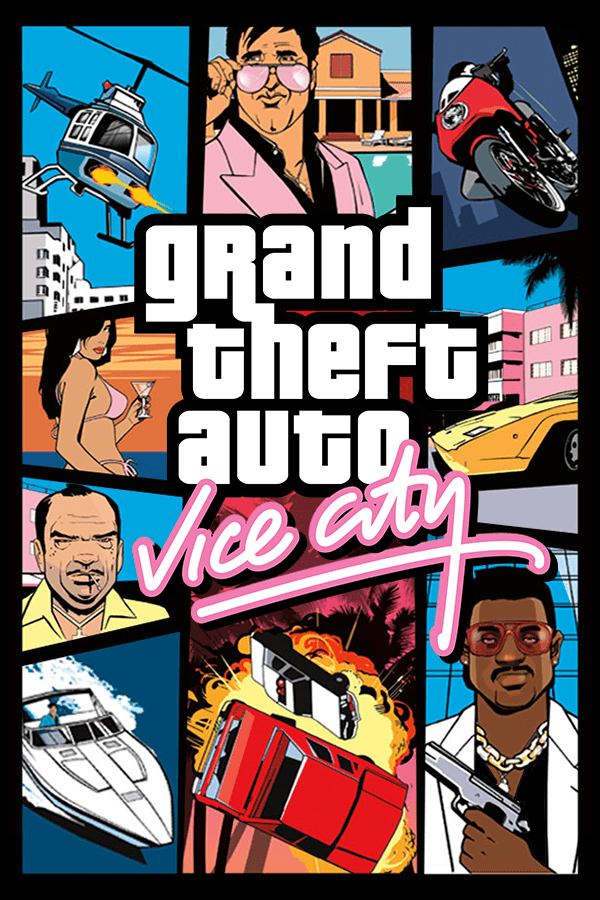
GTA Vice City
Rockstar · 2002
The first one where an afternoon could go by without doing any of the missions, and it still counted as playing it.
The first one that did not mind what you did next, including nothing at all.
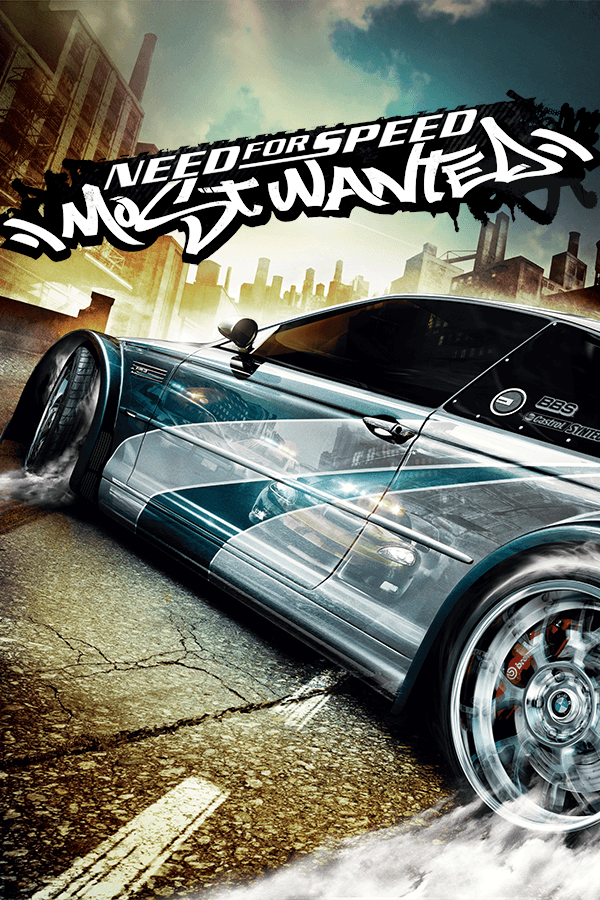
NFS Most Wanted
Electronic Arts · 2005
Learned to read the mirror before the road. Everything I know about a chase, I know backwards.
Half of it happens in the rear-view mirror, which nobody had thought to make the interesting half.
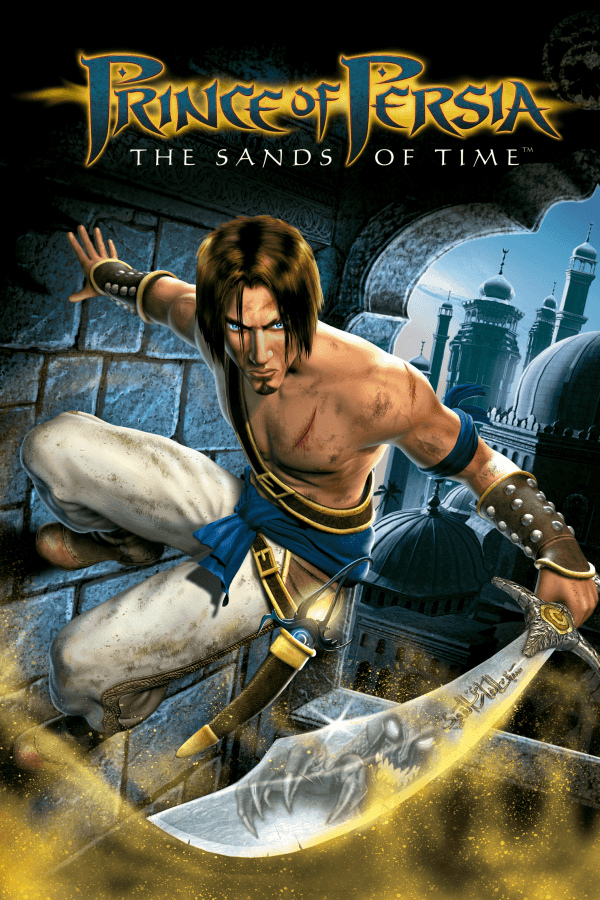
Prince of Persia
Ubisoft · 2003
Rewind meant a mistake cost seconds instead of the whole room, and I used it constantly and felt nothing about it.
Time as a thing you could take back, right up until the sand ran out.
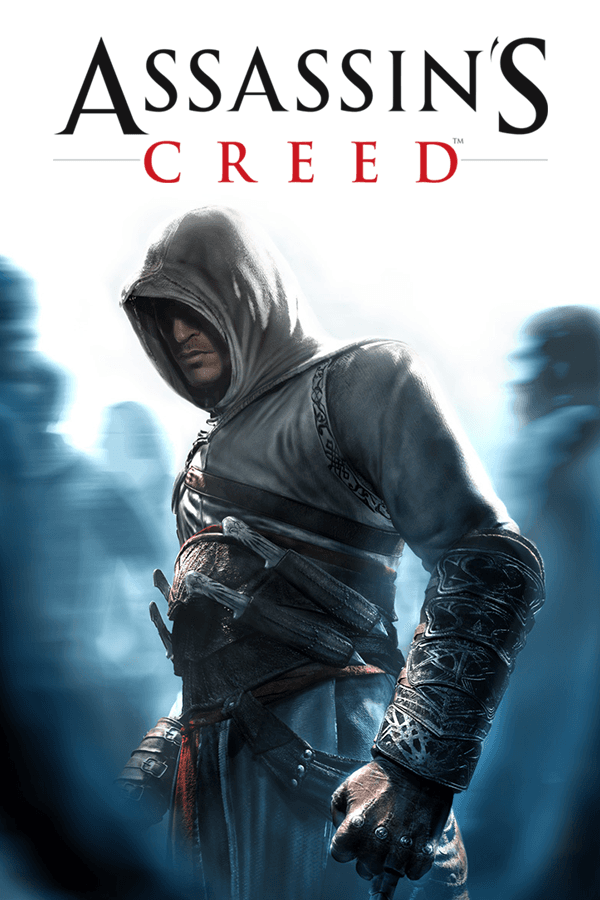
Assassin's Creed
Ubisoft · 2007
Spent longer on the rooftops than on anything the game asked for, which I suspect was the intention.
A crowd you could disappear into, which was the whole trick and it worked.
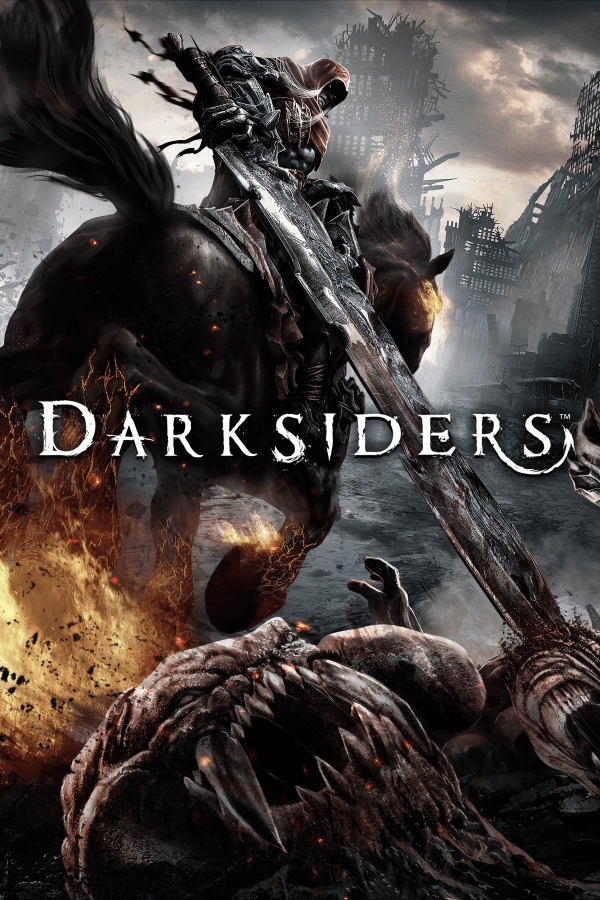
Darksiders
Vigil Games · 2010
Came to it late and finished it anyway, which is not something I can say about most of this list.
A horseman of the apocalypse, on foot, opening doors. Somehow that is the good part.
Cover art is contributed by members of SteamGridDB (opens in a new tab) and served from their CDN rather than copied here. Every title on this shelf is somebody else's trademark, and the list is mine.
If you want the engineeringHow it keeps that promise
Every point is divided by its distance and drawn where that puts it, which is how the arcade racers faked depth before hardware could do it properly. It costs one divide and no 3D engine.
A lane change takes a fixed 160 milliseconds, and pressing again part way through re-aims the move from wherever the shape currently is rather than from the lane it started in. That is why two quick presses cover two lanes instead of arguing with you. The fixed duration is also the number the obstacle spawner needs, when it has to promise that everything it puts in front of you can actually be dodged.
Speed climbs with the distance you have run, quickly at first and then less so, up to a ceiling. The ceiling is not a difficulty setting. If speed could rise forever there would be no gap between obstacles that survives every speed, and the spawner would have nothing left to promise.
What it promises is this: no arrangement ever blocks all three lanes, and consecutive barriers are always far enough apart to react and finish the worst lane change they can demand. The trap is that reaction time is measured in seconds while spacing is measured in metres, so a gap that is generous at the start is lethal a minute in. The gap is sized from the speed you will have when you arrive, not the speed you had when it was placed.
The jump is a fixed parabola rather than gravity, for the same reason the lane change is a fixed tween. The generator has to know exactly how long you spend above a hurdle, and “however long the physics takes” cannot be asked that. Solving the curve gives the timing tolerance in closed form: 0.43 seconds over a hurdle, 0.55 under a bar. If either ever approached a frame the game would have quietly become a quick time event.
Because the generator is seeded rather than reaching for Math.random, none of that is something I have to ask you to take on trust. A hundred and twenty thousand groups across two hundred seeds, and ten simulated hours of play by a pilot held to the same reaction time the generator assumes. It never dies. Slow that pilot down by half and it still never dies; double it and every single run ends. The demo behind the Start button is that same pilot, so what you watch before you press it is the game rather than an advert for it.
the things I built that somebody was paying for are in Exhibits
Next
Say something
Tell me the generator is wrong, recommend the show I have obviously missed, or ask about the work. All three arrive in the same inbox.